
The Future of Latex Processing in Modern Manufacturing
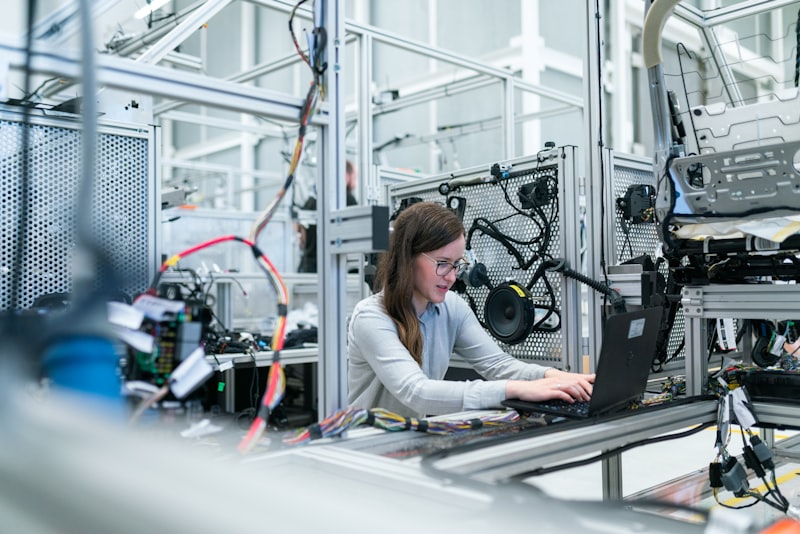
As the manufacturing landscape evolves, latex processing stands at the forefront of sustainable and efficient industrial practices. With over two decades of experience in the field, we've observed a significant shift in how facilities approach this critical process.
Embracing Technological Advancements
Modern latex processing facilities are increasingly integrating automated systems and IoT-enabled sensors to monitor compound consistency, temperature, and curing times. This not only reduces human error but also significantly improves the yield and quality of the final product.
In my time consulting for various manufacturing units, the most common bottleneck has always been the compounding stage. By introducing advanced rheological testing during the mixing phase, companies can save countless hours and reduce material waste.
Sustainability in Rubber Manufacturing
The global push towards sustainability has profoundly impacted the rubber industry. We are seeing a massive shift towards the utilization of bio-based accelerators and eco-friendly compounding ingredients. The Rubber Board of India has been instrumental in advocating for these changes, and as a former trainer there, I've seen firsthand how these practices can be implemented without compromising product integrity.
"The integration of sustainable practices in latex processing is no longer a choice; it's a strategic necessity for long-term viability in the manufacturing sector."
Looking Ahead
For startups and established enterprises alike, the key to staying competitive lies in continuous process optimization. Whether it's upgrading legacy systems or training staff on new operational frameworks, the investment in modernizing latex processing pays dividends in efficiency and product quality.